


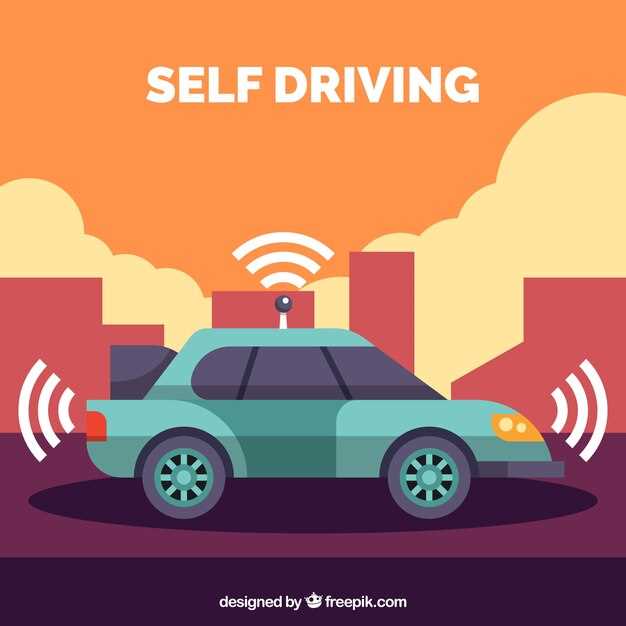
The automotive industry is undergoing a significant transformation, with safety and technology becoming paramount. One of the leading innovations in this realm is Ford Co-Pilot360, a suite of advanced driver-assistance systems designed to enhance road safety. This technology prioritizes the well-being of drivers, passengers, and pedestrians alike, ensuring a safer driving experience for everyone on the road.
Co-Pilot360 integrates multiple tech features that work in harmony to provide real-time assistance and alerts. With capabilities that range from automatic emergency braking to blind-spot monitoring, this system acts as a virtual co-driver, helping to prevent accidents and minimize the severity of collisions. By leveraging sophisticated sensors and cameras, Co-Pilot360 continuously scans the driving environment, empowering drivers with the information they need to make informed decisions.
Beyond mere convenience, the adoption of Ford Co-Pilot360 symbolizes a significant step towards fully autonomous vehicles. As car manufacturers invest more in safety technologies, consumers can expect a future where roads are safer for all. Ultimately, Co-Pilot360 not only enhances the driving experience but also fosters a culture of safety and responsibility on the roads.
Understanding the Role of Adaptive Cruise Control in Traffic Management

Adaptive Cruise Control (ACC) represents a significant advancement in automotive technology, particularly in the context of Ford’s Co-Pilot360 features. This innovative system enhances road safety by automatically adjusting a vehicle’s speed based on the distance to the car in front. By integrating advanced sensors and algorithms, ACC helps maintain a safe following distance, thereby reducing the likelihood of rear-end collisions.
One of the primary roles of adaptive cruise control in traffic management is its ability to facilitate smoother traffic flow. When vehicles equipped with ACC are deployed in a convoy, they can communicate indirectly through their speed adjustments, minimizing sudden braking and acceleration. This dynamic responsiveness not only improves the driving experience but also helps to alleviate congestion on busy roadways.
The technology behind ACC is sophisticated yet user-friendly. Drivers can set their desired speed, and the system will automatically adjust to maintain a safe gap from the vehicle ahead. This feature is particularly beneficial in heavy traffic conditions, where constant speed regulation is crucial for maintaining overall road safety. In instances where quick stops are necessary, ACC will bring the vehicle to a halt, depending on the specific parameters set by the driver.
Moreover, adaptive cruise control contributes to reducing driver fatigue. By taking over the repetitive task of speed control, it allows drivers to focus more on their surroundings and less on maintaining manual speed adjustments. This increased awareness can further enhance reaction times in unexpected situations, ultimately improving safety on the roads.
As part of the Ford Co-Pilot360 suite, ACC not only showcases cutting-edge tech but also aligns with broader traffic management goals, such as reducing the environmental impact of driving. By promoting consistent speeds, the system can lead to better fuel efficiency, which is an essential aspect of sustainable driving practices.
In summary, adaptive cruise control plays a vital role in traffic management by enhancing safety, improving traffic flow, and reducing driver fatigue. As more vehicles are equipped with advanced systems like those found in Co-Pilot360, we can expect a transformative impact on how we experience and manage road travel.
How Lane Keeping Assist Reduces Accidental Lane Departure

Lane Keeping Assist is a critical feature within the Ford Co-Pilot360 system designed to enhance driver safety on the road. This advanced tech utilizes cameras and sensors to monitor lane markings, ensuring that drivers stay centered within their lane. By providing real-time feedback, it helps prevent unintentional lane departures, which can occur due to distractions or drowsiness.
When the system detects an impending drift from the lane, it issues visual or audible alerts to the driver, prompting a corrective action. If the driver does not respond, Lane Keeping Assist can subtly adjust the steering wheel to gently guide the vehicle back into the lane. This proactive intervention significantly mitigates the risk of collisions caused by lane departure.
The integration of this technology allows drivers to focus more on the road ahead, reducing the likelihood of accidents stemming from lapses in attention. Furthermore, with the increasing prevalence of distracted driving, Lane Keeping Assist serves as an essential safeguard, enhancing the overall driving experience while prioritizing safety.
The Importance of Pre-Collision Assist in Collision Avoidance
The Pre-Collision Assist feature, a crucial component of Ford’s Co-Pilot360 system, significantly enhances road safety by actively helping the driver prevent potential accidents. Utilizing advanced sensors and cameras, this technology monitors the vehicle’s surroundings for potential collisions with other vehicles or pedestrians.
When a potential threat is detected, Pre-Collision Assist provides timely alerts to the driver, giving them crucial moments to react. If the driver does not respond quickly enough, the system can automatically engage the brakes to reduce the severity of a collision or, if possible, avoid it entirely. This capability is particularly important in urban environments, where sudden stops and unexpected obstacles are commonplace.
Moreover, the integration of Pre-Collision Assist into the Co-Pilot360 suite underscores Ford’s commitment to leveraging technology for safer driving experiences. By supporting drivers with intelligent features, the system not only aids in collision avoidance but also instills confidence in drivers, allowing them to focus more on the road ahead.
Ultimately, Pre-Collision Assist plays a vital role in modern vehicle safety by ensuring that both the driver and the vehicle can respond effectively to imminent dangers. This feature exemplifies how innovative automotive technology can enhance safety, reduce the likelihood of accidents, and provide peace of mind on every journey.


