



The automotive industry is undergoing a significant transformation as companies strive to adopt sustainable practices in response to climate change and environmental concerns. Among these industry leaders, Ford has emerged as a pioneering force, implementing innovative and green manufacturing techniques that are setting new benchmarks in the field. As the demand for eco-friendly vehicles continues to rise, Ford recognizes the necessity of integrating sustainability into every phase of production.
In recent years, Ford has made substantial investments in green technologies aimed at minimizing its carbon footprint. The company’s commitment to reducing waste, conserving energy, and utilizing renewable resources is not merely a trend but a fundamental shift towards a more sustainable future. By adopting advanced manufacturing solutions, Ford is enhancing efficiency while also ensuring compliance with increasingly stringent environmental regulations.
Ford’s initiatives extend beyond the vehicles themselves; they encompass the entire production process. From utilizing recycled materials in vehicle assembly to implementing energy-efficient machinery, every aspect of Ford’s manufacturing is being reimagined for sustainability. This comprehensive approach not only benefits the environment but also positions Ford as a leader in the automotive sector as it navigates the complex landscape of modern manufacturing.
Implementing Renewable Energy Sources in Production Facilities
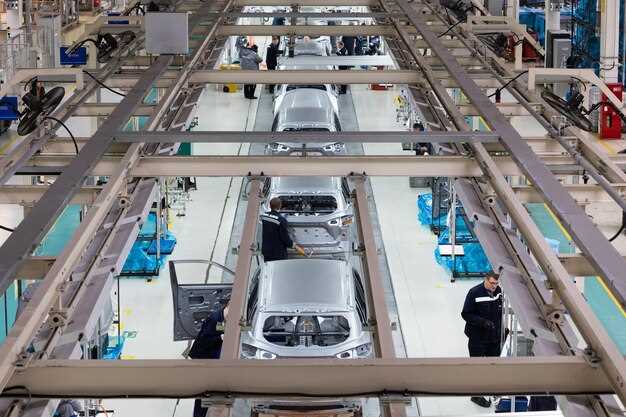
As industries strive for a greener future, integrating renewable energy sources into production facilities has become paramount. This transition not only benefits the environment but also enhances operational efficiency and reduces long-term costs.
Key renewable energy sources that manufacturers are increasingly adopting include:
- Solar Energy: Photovoltaic panels harness sunlight, converting it into electricity. Facilities can significantly decrease their reliance on non-renewable power by utilizing rooftops and available land for solar installations.
- Wind Energy: Installing wind turbines on-site or participating in wind farm partnerships can generate substantial energy, particularly in windy regions. This form of energy provides a consistent and renewable source of power.
- Biomass Energy: Utilizing organic materials, manufacturers can produce energy while reducing waste. Biomass conversion technologies allow facilities to turn byproducts into usable energy, contributing to overall sustainability.
- Hydropower: If nearby water sources are available, facilities can leverage hydropower for their energy needs. Small-scale hydroelectric systems can provide reliable electricity with minimal environmental impact.
Implementing these renewable sources involves several steps:
- Assessment: Companies must evaluate their energy needs, site characteristics, and local regulations to determine the most suitable renewable sources.
- Investment: Upfront capital for renewable energy technologies can be significant. However, many governments offer incentives that can offset these costs, making it economically viable.
- Integration: Integrating renewable energy systems into existing infrastructure might require upgrades to technology and management protocols to ensure efficiency and compatibility.
- Monitoring: Continuous assessment of energy production and consumption helps optimize the system and ensure that sustainability goals are met.
By transitioning to renewable energy sources, production facilities not only minimize their carbon footprint but also foster an environmentally responsible image. This commitment to a green future can enhance brand reputation and attract eco-conscious consumers.
In conclusion, the shift towards renewable energy in manufacturing is a crucial step in achieving long-term sustainability. It sets a precedent for other industries to follow, demonstrating that economic growth and environmental stewardship can coexist harmoniously.
Reducing Waste Through Innovative Recycling Techniques
Ford is committed to minimizing its environmental footprint by adopting innovative recycling techniques that significantly reduce waste in production processes. Through the implementation of advanced recycling technologies, the company transforms scrap materials into reusable resources, thereby promoting a circular economy within its factories.
One notable example involves the recycling of plastics from production waste. By investing in specialized machinery, Ford is able to purify and repurpose these materials, which can then be reintegrated into new vehicle parts. This not only diminishes the amount of waste sent to landfills but also conserves valuable raw materials, aligning with the company’s green initiatives.
Additionally, Ford is exploring ways to use recycled materials in the production of vehicle components. For instance, incorporating recycled aluminum and steel in manufacturing processes has proven effective in reducing energy consumption, decreasing emissions, and lowering the overall environmental impact. This approach not only supports sustainable practices but also enhances the durability and performance of their vehicles.
Furthermore, Ford has established partnerships with recycling firms to ensure that its waste management practices remain efficient and effective. These collaborations focus on developing new methods for recovering materials from end-of-life vehicles, thereby reducing the need for virgin resources. By prioritizing recycling within its supply chain, Ford is not only addressing waste reduction but also fostering a sustainable production model that can inspire other manufacturers in the industry.
In conclusion, through innovative recycling techniques, Ford is making significant strides in waste reduction, which aligns with its broader commitment to sustainability. These efforts not only enhance the green credentials of the company but also contribute to a healthier planet for future generations.
Integrating Sustainable Materials in Vehicle Manufacturing
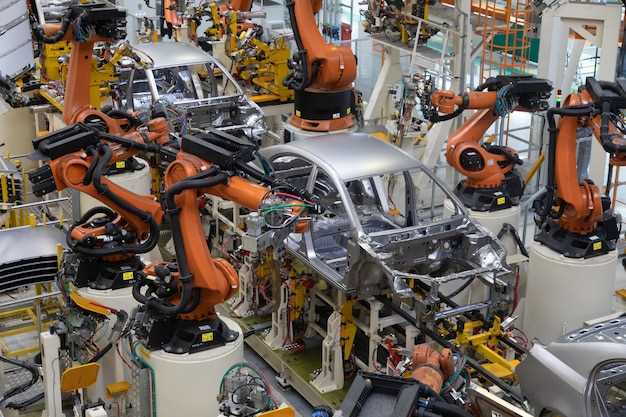
As the automotive industry shifts towards greener practices, integrating sustainable materials in vehicle manufacturing has become a priority for leading manufacturers like Ford. The use of renewable resources, recycled components, and bio-based plastics not only reduces the environmental impact but also enhances the overall efficiency of the production process.
One notable approach is the incorporation of recycled materials in vehicle production. By utilizing metals, plastics, and glass that have been repurposed from end-of-life vehicles, manufacturers can significantly lower the demand for virgin resources. This recycling process not only conserves energy but also minimizes waste, aligning with environmental sustainability goals.
Additionally, the adoption of bio-based materials, sourced from plants or agricultural byproducts, helps to further decrease reliance on fossil fuels. These materials are designed to be both durable and lightweight, contributing to improved fuel efficiency and reduced emissions during vehicle operation.
Ford has pioneered the use of such innovative materials, such as soy-based foam for seating and recycled cotton for insulation, showcasing a commitment to creating greener vehicles. By prioritizing sustainable materials, Ford not only supports environmental conservation but also responds to the increasing consumer demand for eco-friendly transportation options.
The integration of sustainable materials alongside advanced manufacturing techniques demonstrates a comprehensive approach to vehicle production. Each step taken towards employing greener practices not only enhances the brand’s reputation but also contributes to a healthier planet for future generations.

